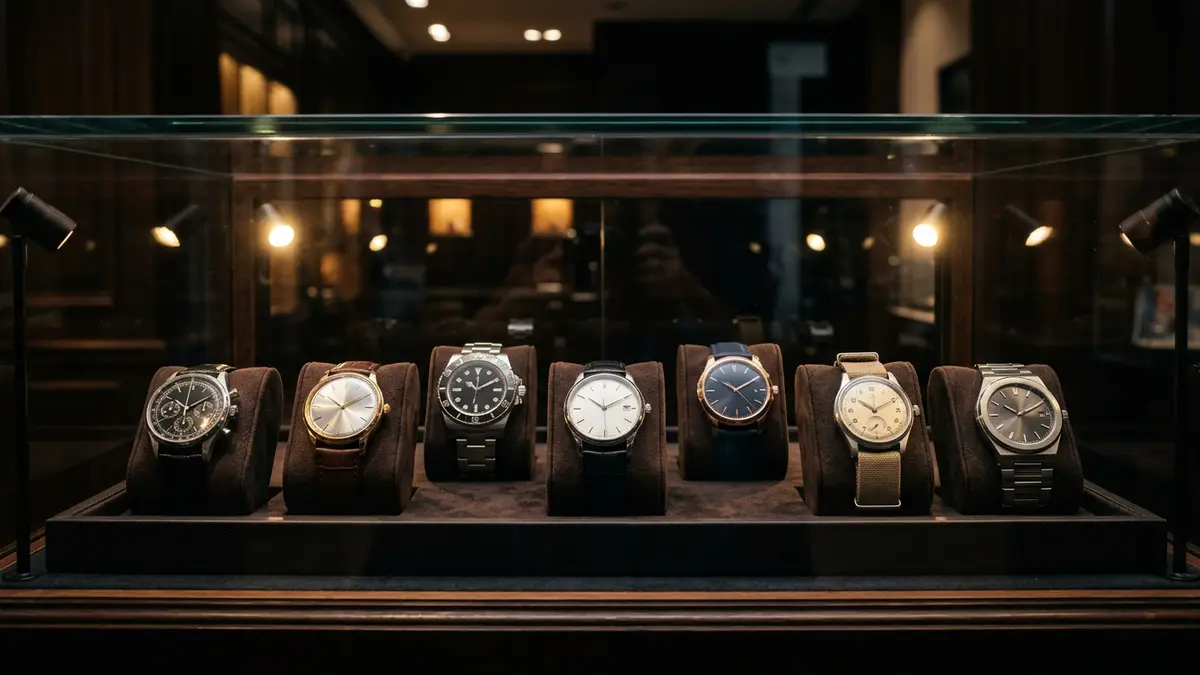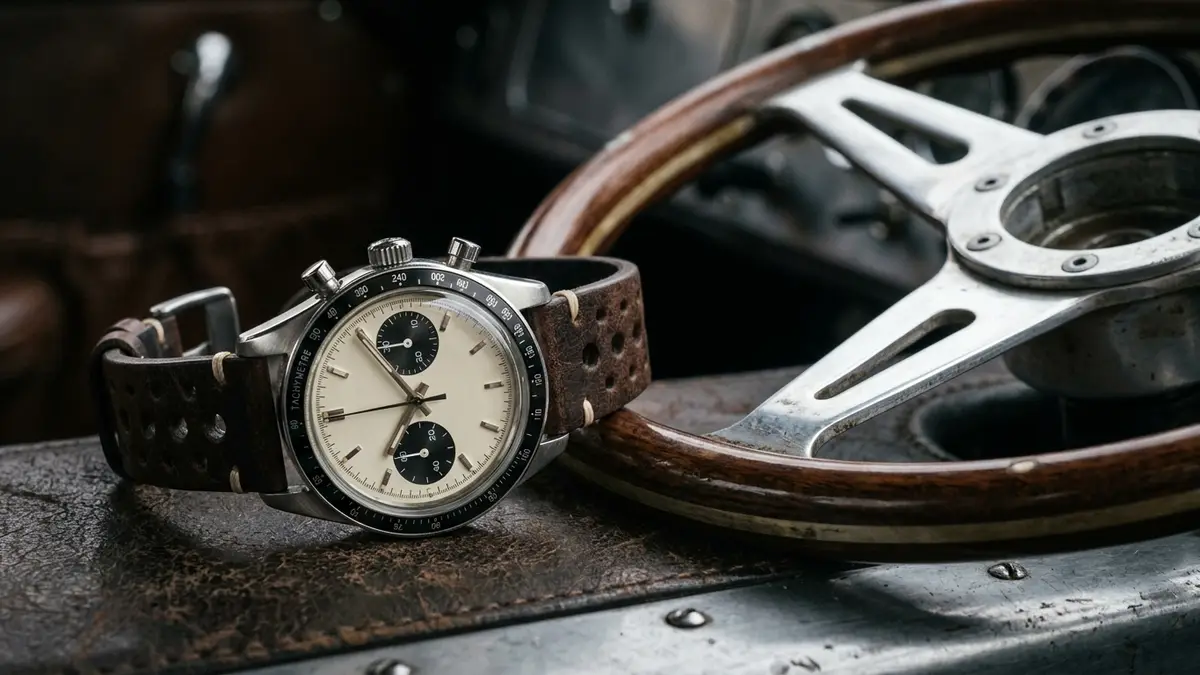
Two of the most dynamic forces in modern watchmaking are China's large and increasingly sophisticated watch industry, and the global wave of independent "microbrands". Together they offer enthusiasts more choice and value than ever before.
Chinese watchmaking
China is the world's largest producer of watches by volume, manufacturing movements, cases, dials and bracelets for brands worldwide — including many you might assume are European. Chinese brands with their own identity are increasingly respected.
Tianjin Seagull
Founded in 1955 as the Tianjin Watch Factory, Seagull is China's largest mechanical movement manufacturer. It produces the ST19 manual chronograph movement (based on tooling bought from Venus in Switzerland) used in the famous Seagull 1963 — a reissue of the chronograph made for the Chinese air force. Seagull also makes automatic movements (ST2130, ST36) and even tourbillons at prices unthinkable in Switzerland.
Other Chinese brands
- Beijing Watch Factory — high-end mechanical watches with traditional Chinese artistry.
- Fiyta — major brand that supplied watches to Chinese astronauts.
- Shanghai — historic brand from China's first watch factory.
- Ciga Design — award-winning skeleton designs.
- San Martin, Pagani Design, Steeldive — very affordable brands producing homage and original designs, popular for their value.
An homage borrows design cues from a famous watch but carries its own brand name — it's legal and openly sold. A counterfeit copies the brand name and logo to deceive — illegal in most countries. See how to spot a fake.
What is a microbrand?
A microbrand is a small, independent watch company — often founded by one or two enthusiasts — that designs watches and has them produced by specialist suppliers, typically in Asia or Switzerland. They usually sell direct to consumers online, frequently via pre-orders or crowdfunding, skipping retail markups.
Why microbrands offer value
- No retail margins — traditional watches can carry 2× markups at retail.
- Low marketing budgets — no celebrity ambassadors or sponsorships.
- Spec-heavy — sapphire, 200 m, Swiss or Japanese movements, great lume as standard.
- Enthusiast design — creators build the watches they want to wear.
Notable microbrands
| Brand | Country | Known for | Typical price |
|---|---|---|---|
| Baltic | France | Vintage divers, chronographs | $500–$1,000 |
| Lorier | USA | Vintage-inspired divers and GMTs | $400–$700 |
| Monta | USA | Refined luxury-grade finishing | $1,500–$2,500 |
| Farer | UK | Colourful Swiss-made designs | $1,200–$3,000 |
| Serica | France | Minimal military-inspired tools | $1,000–$1,500 |
| Studio Underd0g | UK | Playful chronographs | $600–$900 |
| Traska | USA | Hardened-steel everyday watches | $500–$800 |
| Zelos | Singapore | Exotic materials, divers | $400–$1,500 |
Risks and how to buy wisely
- Pre-order delays — some microbrands take months to deliver.
- Longevity — small brands may not exist in 10 years; choose common movements (Seiko NH35, Miyota, Sellita) so any watchmaker can service them.
- Resale value — usually low; buy to wear, not to invest.
- Research — read independent reviews and forums before buying.
FAQ
Are Chinese watches good?
Quality ranges widely. Established makers like Seagull produce solid mechanical movements, and China manufactures parts for many respected brands. Budget brands vary more in quality control.
Is a microbrand watch worth buying?
Often yes — they offer excellent specifications for the price. Buy for enjoyment rather than resale, and prefer brands with good reviews and common, serviceable movements.