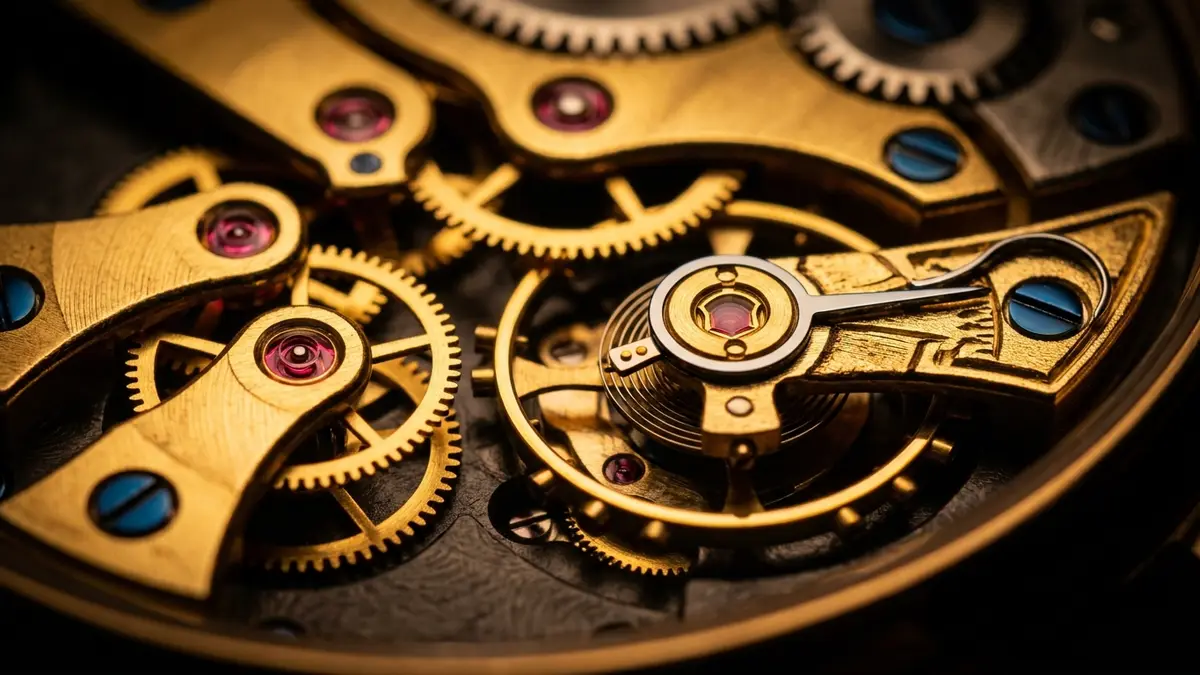
Movements
Mechanical vs Quartz Watches: Which Should You Buy?
Accuracy, maintenance, cost of ownership and the 'soul' of a movement — an honest comparison of mechanical and quartz watches and who each one suits.
Section 2 of 8
Mechanical or quartz? In-house or ETA? Explore the engines that power a watch, the complications they drive and the materials they are made from.
Accuracy, maintenance, cost of ownership and the 'soul' of a movement — an honest comparison of mechanical and quartz watches and who each one suits.
Everything about hand-wound mechanical watches: how they work, how to wind them, their advantages over automatics and the best models to consider.
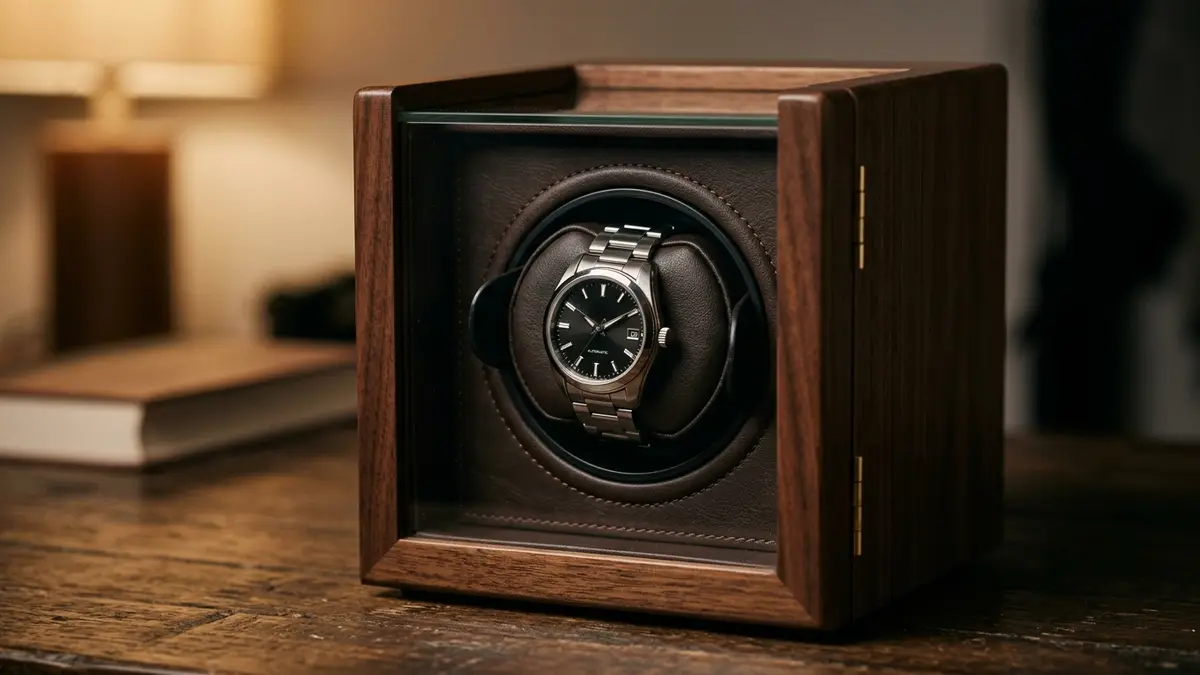
How an automatic (self-winding) watch works, how long it runs off the wrist, whether you need a watch winder and the best automatic movements to know.

How a quartz watch keeps time, the difference between standard, high-accuracy and thermocompensated quartz, battery life and why quartz deserves respect.
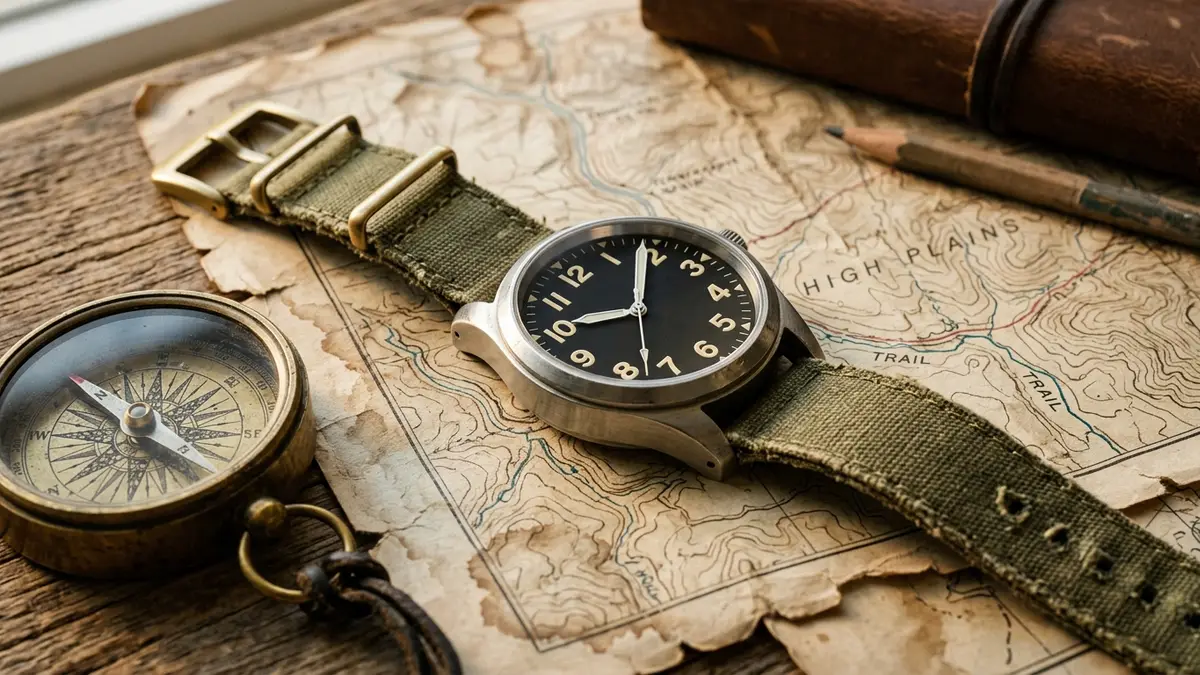
How solar-powered watches like Citizen Eco-Drive and Seiko Solar work, how long they run in the dark, their lifespan and the best models to buy.
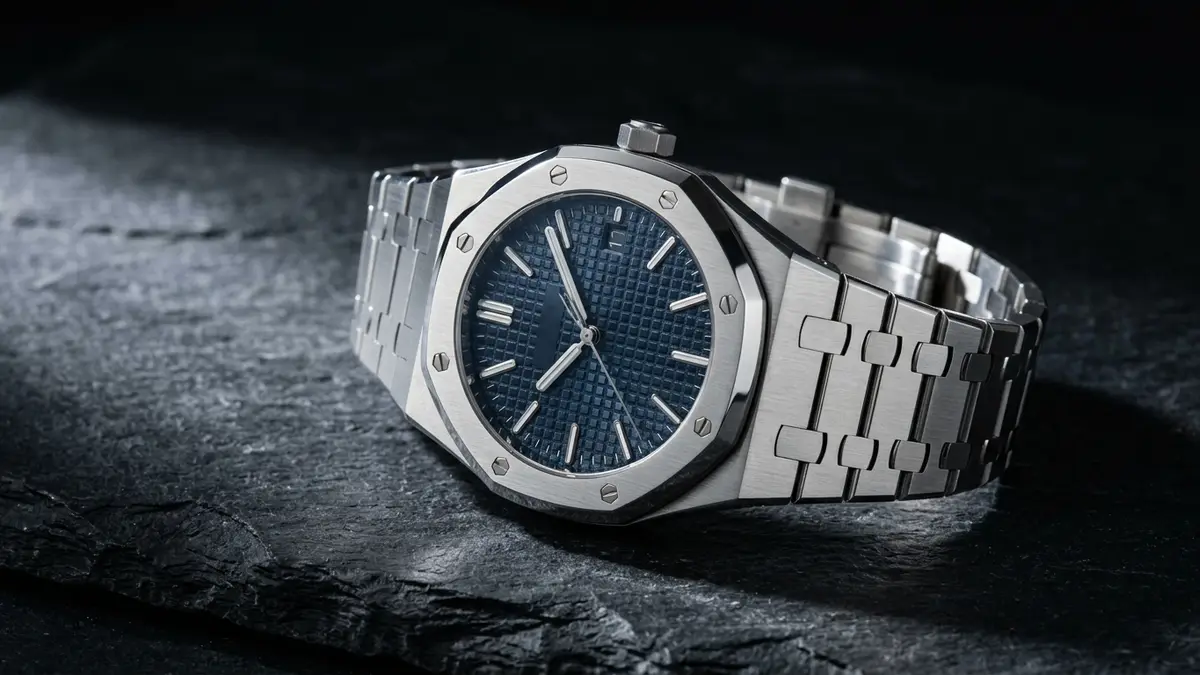
How Seiko Kinetic (automatic quartz) and Spring Drive (mechanical power with electronic regulation) work, their pros and cons and who should buy them.
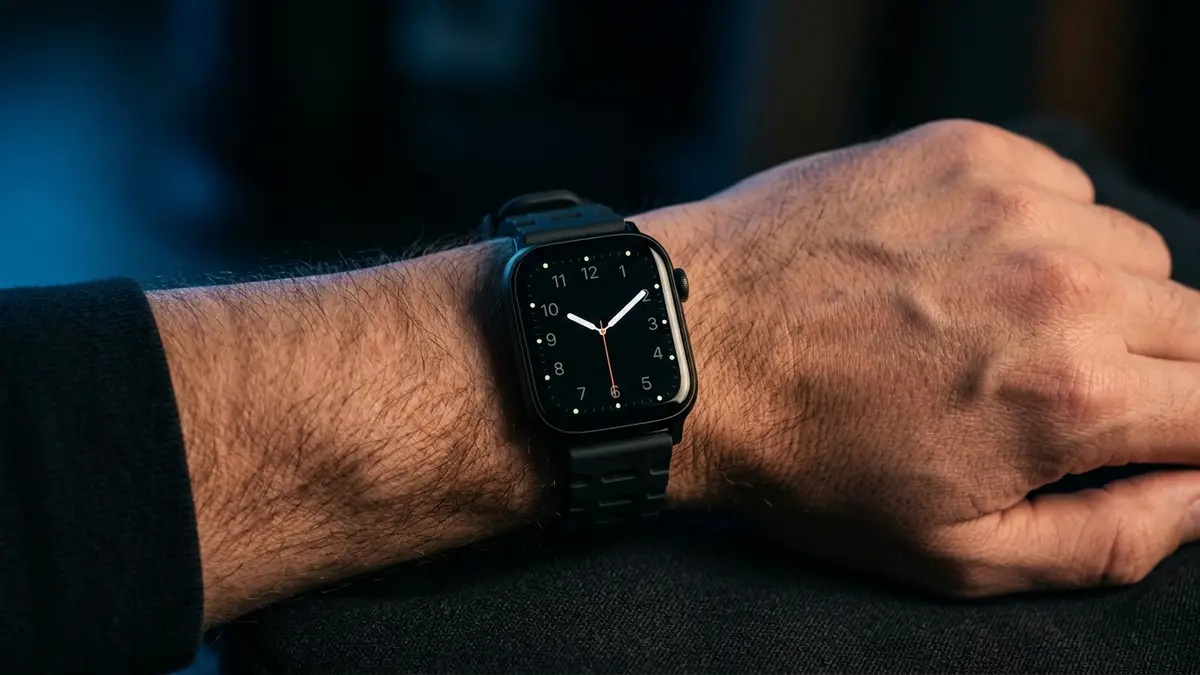
How atomic radio-controlled watches sync to perfect time, how GPS and Bluetooth watches work, and how smartwatches compare with traditional watches.

What 'in-house movement' really means, the workhorse calibers from ETA, Sellita, Miyota and Seiko, and how movement choice affects price, reliability and servicing.
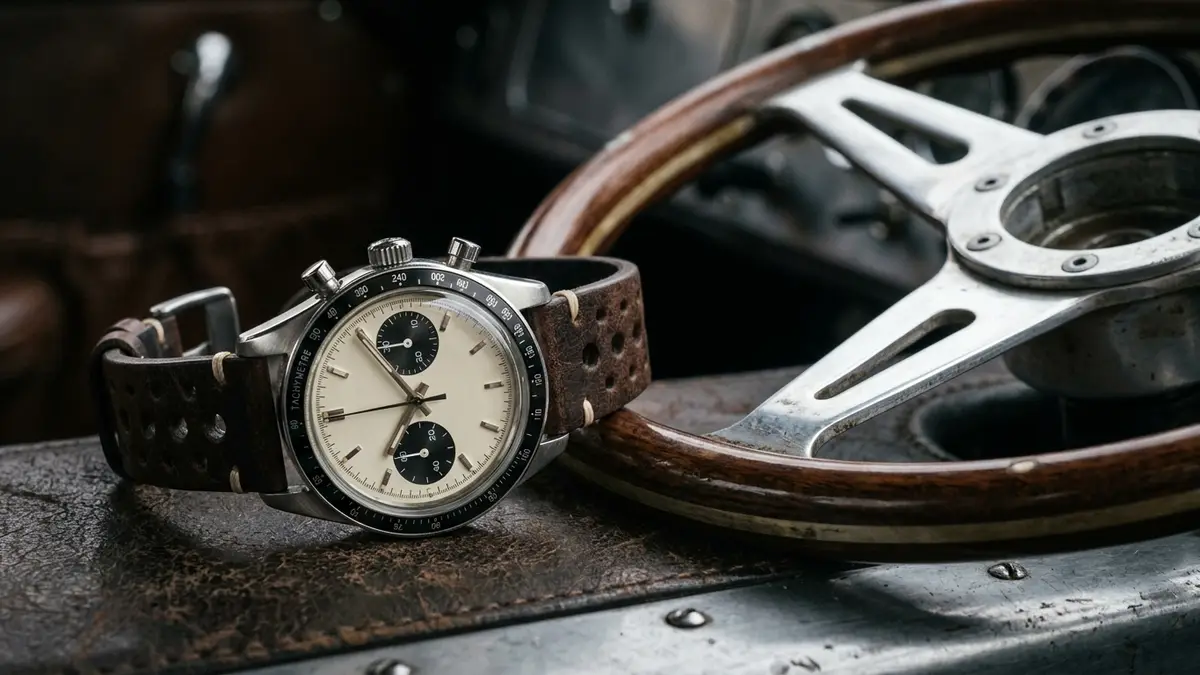
A clear guide to watch complications: date, day-date, chronograph, GMT, world time, moonphase, annual and perpetual calendars, tourbillon and minute repeater.
Pros and cons of watch case materials — stainless steel, titanium, ceramic, bronze, gold and carbon — plus sapphire, mineral and acrylic crystals compared.