The smartwatch is now the best-selling category of wrist device in the world. For some people it has replaced the traditional watch completely; for others it lives alongside a mechanical favourite. This guide helps you decide where a smartwatch fits in your life — and how to choose one if it does.
A short history
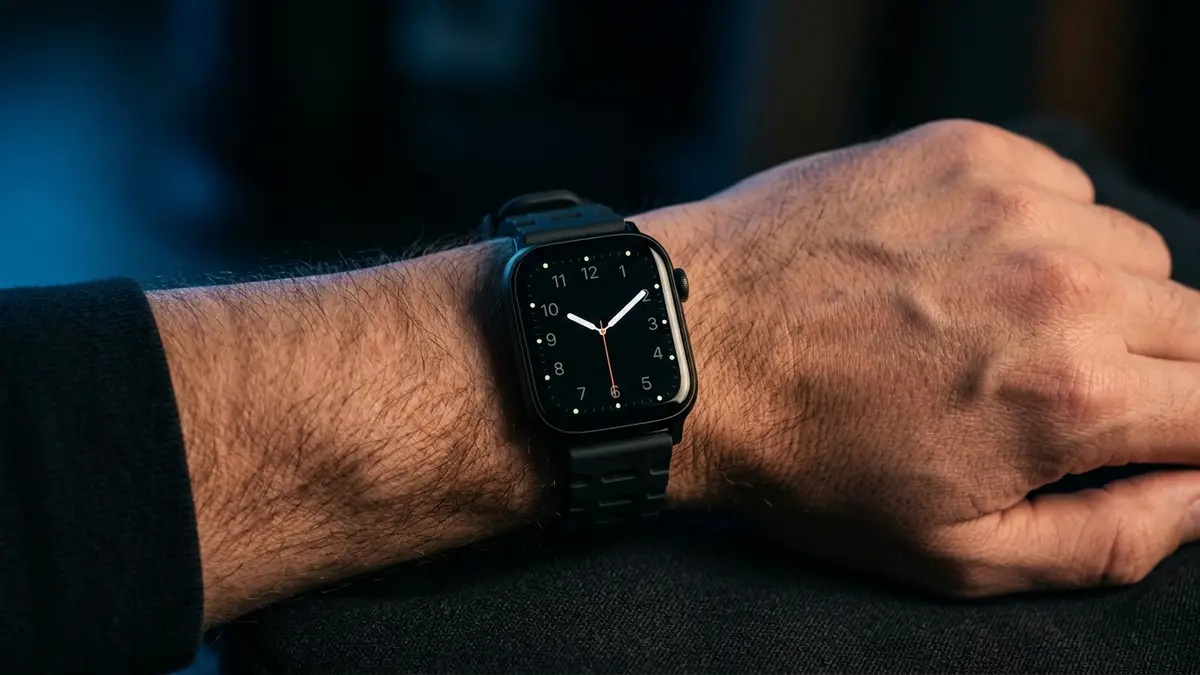
Wrist computers go back to 1980s calculator watches and the Seiko Data 2000. Modern smartwatches took off with the Pebble (2013), Android Wear (2014) and above all the Apple Watch (2015), which quickly became the best-selling watch of any kind. Garmin grew from GPS running watches into a major multi-sport smartwatch brand, while Samsung, Google, Huawei and others compete on their own platforms.
Main types of smartwatch
| Type | Examples | Battery | Best for |
|---|---|---|---|
| Full smartwatch | Apple Watch, Samsung Galaxy Watch, Google Pixel Watch | 1–3 days | Apps, notifications, health |
| Sports / outdoor | Garmin Forerunner, fenix, Instinct; Coros; Suunto; Polar | 1–4 weeks (solar models longer) | Training, hiking, adventure |
| Hybrid | Withings ScanWatch, Garmin Vivomove | Weeks to months | Classic looks with health tracking |
| Luxury connected | TAG Heuer Connected, Montblanc Summit | 1–2 days | Premium materials with Wear OS |
Smartwatch vs traditional watch
Choose a smartwatch for…
- Heart-rate, sleep, ECG and activity tracking
- GPS workouts and navigation
- Messages, calls and payments on your wrist
- Fall detection and safety features
Keep a traditional watch for…
- Style, craftsmanship and self-expression
- Formal events and business dress
- No charging, no notifications, no distraction
- Longevity and resale value
How to choose a smartwatch
- Match your phone — Apple Watch only works with iPhone; Wear OS watches work best with Android; Garmin and most sports watches work with both.
- Decide on battery priorities — daily charging vs weeks of use.
- Check fit — smartwatches wear large and thick; many come in two sizes. See our size guide.
- Consider the display — always-on AMOLED looks best; transflective MIP screens are more readable in sun and sip power.
- Think about lifespan — software support and battery degradation limit useful life to a few years.
Wearing a smartwatch with style
- Choose a classic analogue watch face for business settings.
- Swap the sport band for leather or metal at the office.
- Dim or silence notifications in meetings and at dinner.
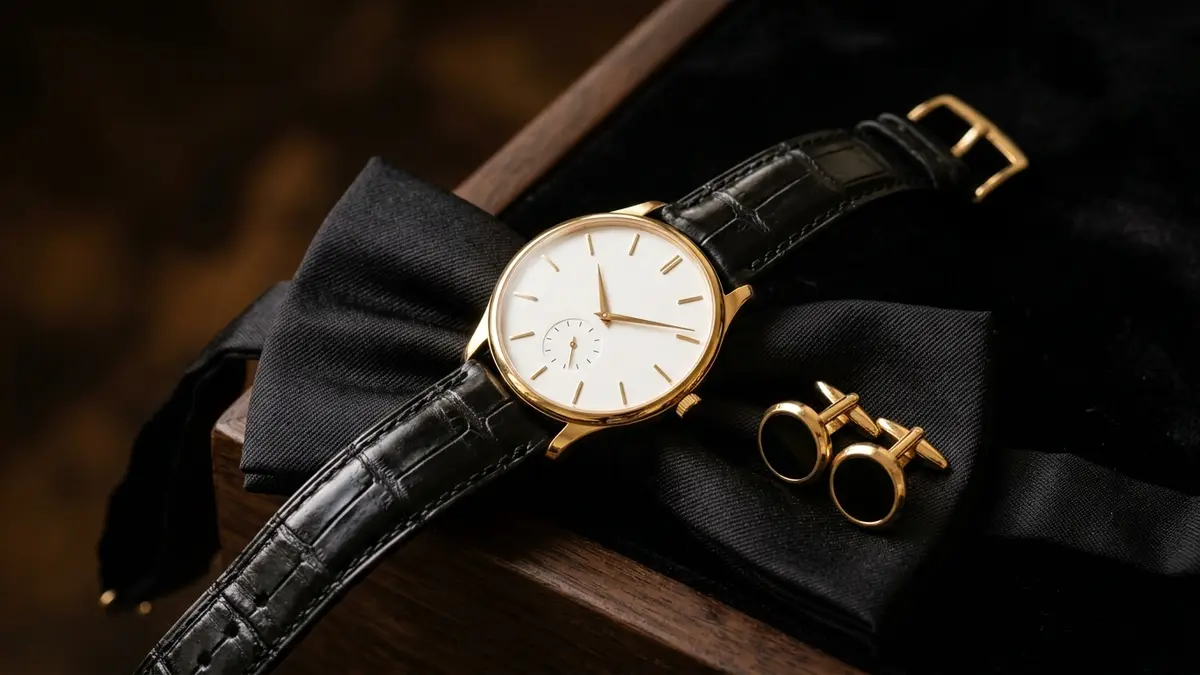
- For black tie, weddings and formal occasions, choose a traditional dress watch.
The two-watch solution
A growing number of enthusiasts wear a smartwatch or fitness tracker for workouts and sleep, and a mechanical watch the rest of the day. It gives you the data without giving up the joy of a traditional watch. Some even wear a fitness band on one wrist and a watch on the other.
FAQ
Is a smartwatch a good first watch?
If you mainly want fitness and connectivity, yes. If you want something that lasts, holds value and suits formal occasions, start with a traditional watch.
How long do smartwatches last?
Most receive software updates for around 3–5 years, and their batteries gradually lose capacity. A traditional watch can last decades.